
Wrestling Coaches
The head coaches who shaped Battle Creek Wrestling — their tenures, their teams and the championships they built.
Bob Schnitzler
1968–1971
Bob Schnitzler founded Battle Creek Wrestling in 1968, laying the foundation for everything the program would become. His vision to bring wrestling to Battle Creek started a tradition that has now spanned over five decades.
Gene Libal
1971–1973
Gene Libal carried the program forward after Schnitzler, bringing with him the credibility of a decorated wrestling career. An All-American at the University of Nebraska, Libal competed at the Midlands Championships, the Big 8 Championships, the NCAA Championships, and the Pan-American Games.


John Greer
1984–1989
John Greer is credited with resurrecting Battle Creek Wrestling. After the program was discontinued, Greer brought it back to life in 1984 — a pivotal moment in the program’s history. His commitment to rebuilding from the ground up restored wrestling to Battle Creek and re-established the competitive tradition that had been put on hold. Greer also laid the foundation for the Battle Creek Wrestling Club, building the youth pipeline from the ground up.
Scott Johnson
1989–1990
Scott Johnson stepped in as head coach for the 1989–90 season following John Greer’s departure. An accounting teacher who spent most of his time as an assistant basketball coach, Johnson answered the call to lead the wrestling program for one season — bridging the gap between Greer’s era and the arrival of Jim Gray.
Jim Gray
1990–2002 · First Tenure
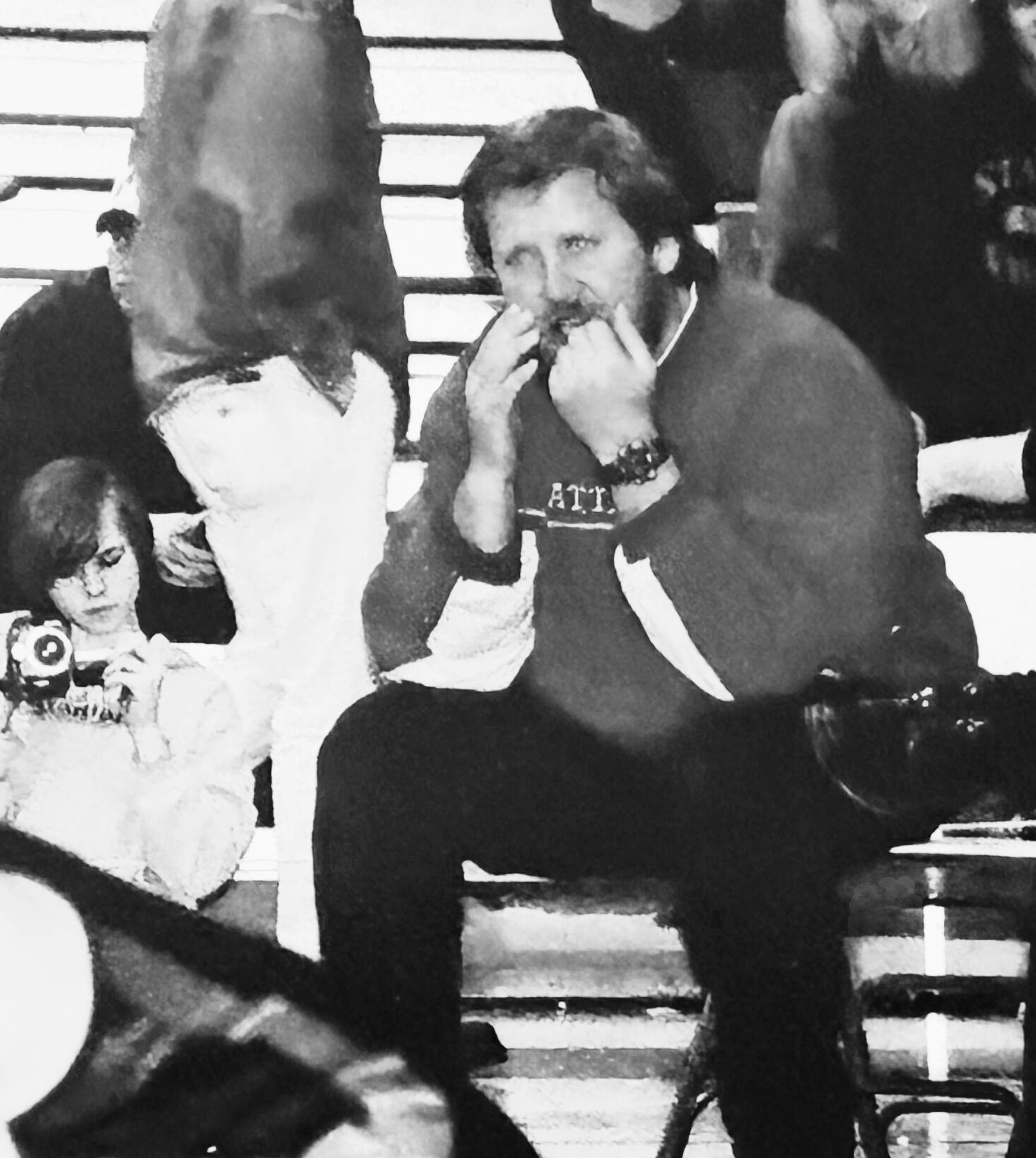
Jim Gray’s first tenure as head coach brought renewed energy and focus to the program. In 1990, he left the banking world and began a teaching career at Battle Creek High School — serving as assistant football and track coach, head wrestling coach, and head junior high football and wrestling coach. Though he never wrestled himself, Gray poured countless hours into studying the craft — driven by a belief that wrestling was the right sport for Battle Creek athletes and a determination to give them every opportunity to excel in it.
August Manz
2002–2003
August Manz came over from Iowa to take over the program from Jim Gray. Though his time at the helm was brief, he brought a different perspective and a new intensity to Battle Creek — a fresh voice in the coaching lineage that contributed to the program’s continued evolution.
Jim Gray
2003–2006 · Second Tenure
Jim Gray returned for a second tenure, eventually serving as the school’s athletic director until his retirement in 2005. Alongside longtime assistant coach Rick Cherington, Gray expanded the Battle Creek Wrestling Club that John Greer had founded — growing the youth pipeline and planting the seeds that would grow into the dynasty that followed. Jim passed away on December 15, 2007, after suffering a heart attack while watching a wrestling match. He spent countless hours developing young people’s character and work ethic, and his fingerprints are on every championship that followed.
Cody Wintz
2006–Present
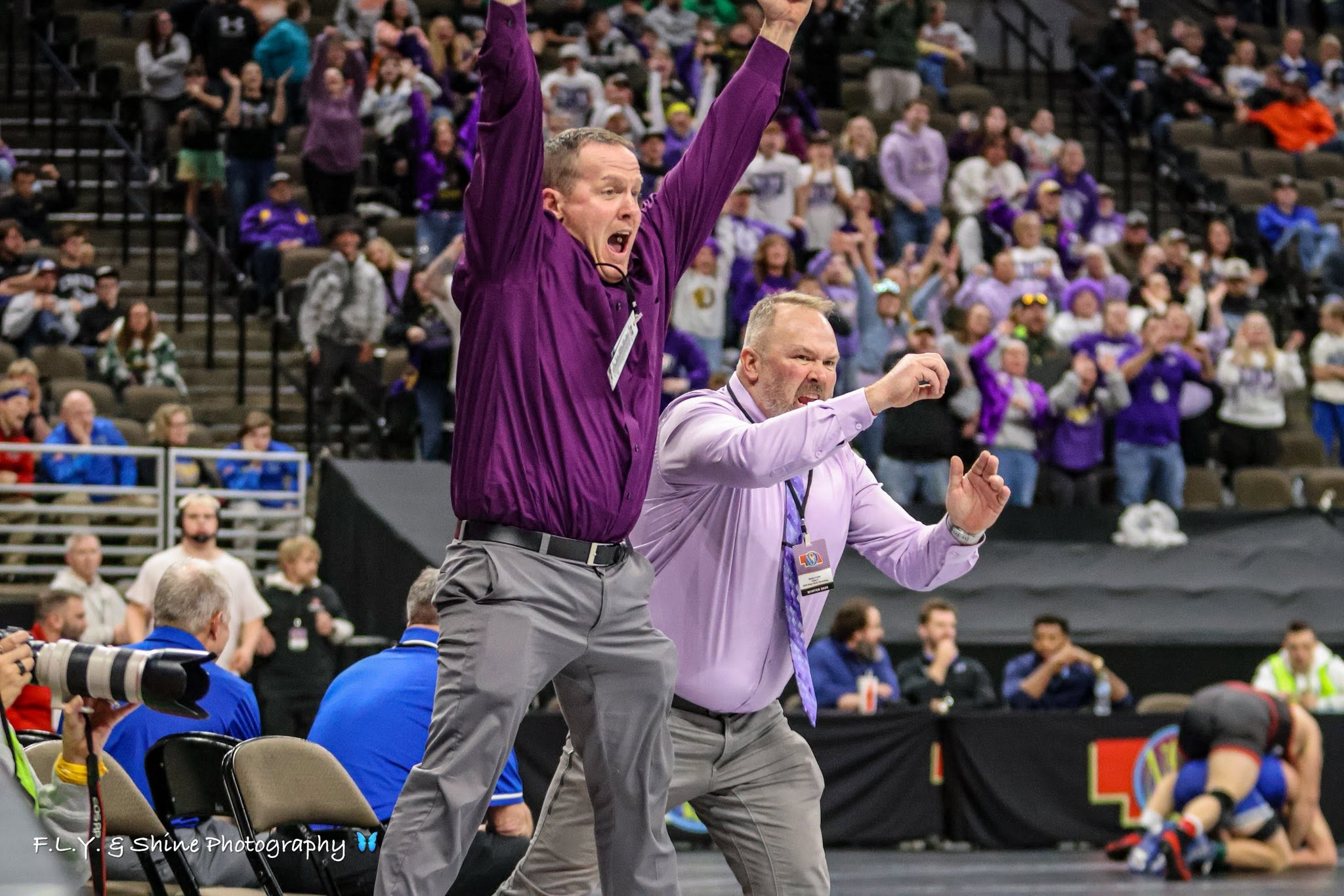
Cody Wintz is the architect of the modern era of Battle Creek Wrestling. He took over a program with a strong youth foundation but a high school program that had yet to find its footing — and rebuilt it from the ground up into a dynasty. Under his tenure, the Braves have captured three consecutive state team championships and one State Duals Championship, with three additional State Duals runner-up finishes. His teams have finished in the top 10 at the state championships in 13 of his 20 seasons, won 7 team district championships and 7 team conference championships. He has produced 138 state qualifiers, 64 conference champions, 45 district champions, 77 state medalists, and 11 state champions — establishing Battle Creek as the premier wrestling program in their class.
Coaches in the Archive
Wrestling coaches with a profile in the Battle Creek Athletics archive.

Program Builders
Assistant coaches and supporters whose work behind the scenes laid the foundation for everything Battle Creek Wrestling has become.

Rick Cherington
Longtime Assistant CoachRick Cherington was the glue of Battle Creek Wrestling for decades. Never a head coach, he served as the primary assistant under four different head coaches — John Greer, Scott Johnson, Jim Gray (both tenures), and August Manz. A Norfolk High School product and multiple-time state medalist, Cherington went on to wrestle at Northeast Technical College in Norfolk, where he was a National Champion in 1976 and a two-time All-American. His deep wrestling pedigree made him an invaluable presence in the corner, and his decades of commitment behind the scenes helped lay the groundwork for the dynasty that followed.


Neil Kreikemeier
Longtime Assistant CoachNeil Kreikemeier is the longest-tenured coach in the history of Battle Creek athletics — a remarkable distinction that spans multiple eras of the wrestling program. Originally hired by Coach Jim Gray as an assistant, Kreikemeier has remained on staff through every head coaching change since and continues to serve alongside Coach Cody Wintz to this day. His kids are alumni of the program, and his son Nick still wrestles for Battle Creek. Few people have had a hand in as many chapters of BC wrestling as Neil, whose institutional memory and steady presence in the corner have made him an irreplaceable part of the program’s fabric.
Toby Thompson
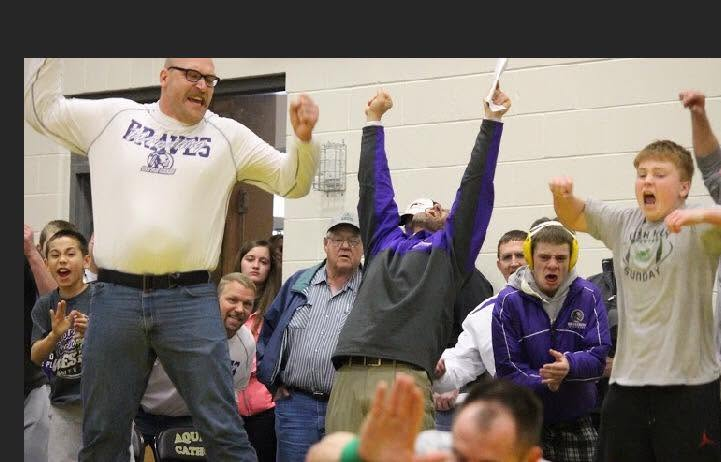
Assistant CoachToby Thompson coached in the Braves corner through the era of Battle Creek’s first individual state champions, working alongside the head coaches who carried the program out of its rebuilding years. A steady presence in the wrestling room and at the state tournament, he helped set the standard the program’s later championship runs were built on.

Bill Hughes
Program ContributorA Battle Creek alum whose love for his school never wavered, Bill Hughes was a fixture at BC wrestling events for decades — running the scoreclock with the kind of quiet dependability that holds a program together. His volunteerism extended well beyond Battle Creek; he ran the scoreclock for the NSAA at the Nebraska State Wrestling Tournament for decades, becoming a familiar and trusted presence on the sport’s biggest stage. Bill passed away in 2026, but his great passion for Battle Creek Wrestling — and the countless hours he gave behind the scenes — left a mark on the program that won’t be forgotten.